
Safeguarding Tomorrow: National Educational Policy 2020 and Child Safety
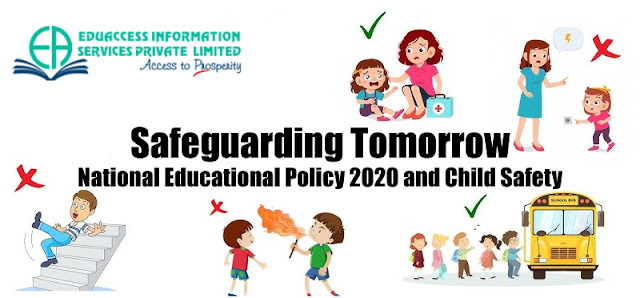
Introduction: The National Educational Policy (NEP) 2020 marks a pivotal moment in India’s education landscape, aiming to transform the nation’s educational system comprehensively. One crucial aspect emphasized in the NEP 2020 is child safety within educational institutions. Recognizing the need for a secure and nurturing environment, the policy outlines key measures to ensure the well-being of students. In this blog post, we will delve into the significance of child safety in the NEP 2020 and the steps taken to create safer learning spaces for the future leaders of our nation.
Understanding the Importance of Child Safety: Childhood is a vulnerable phase in one’s life, and ensuring a safe environment is paramount for holistic development. Recognizing this, the NEP 2020 underscores the importance of child safety in educational institutions. It acknowledges that a secure atmosphere is not only essential for physical safety but also plays a crucial role in fostering emotional and intellectual growth.
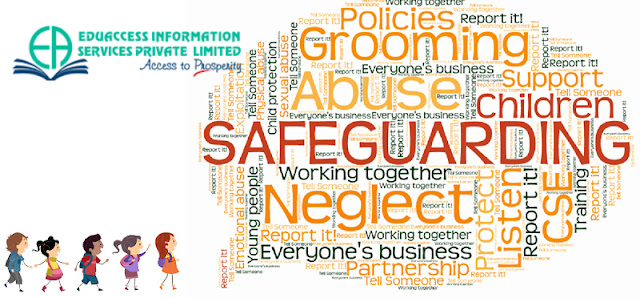
Key Features of Child Safety in NEP 2020:
1. Safe Infrastructure: The NEP emphasizes the creation of safe and accessible infrastructure, including classrooms, playgrounds, and transportation facilities. This involves regular safety audits and adherence to building codes to ensure that educational institutions are equipped to handle emergencies.
2. Child-Centric Policies: The policy encourages schools to adopt child-centric and inclusive practices. It emphasizes the creation of an environment where each child feels valued, respected, and supported. This includes measures to prevent bullying, discrimination, and any form of harassment.
3. Wellness and Mental Health Support: NEP 2020 recognizes the significance of mental health in a child’s overall well-being. Educational institutions are encouraged to provide counseling services, emotional support, and awareness programs to address the mental health needs of students.
4. Teacher Training: Teachers play a pivotal role in creating a safe and supportive learning environment. The policy emphasizes the need for teacher training programs that focus on child psychology, behavior management, and effective communication to handle diverse student needs.
5. Community Participation: NEP 2020 envisions a collaborative approach involving parents, community members, and local authorities. This collaboration is crucial in fostering a sense of shared responsibility for child safety, with active involvement in monitoring and addressing safety concerns.
Link to download the manual for “Guidelines on School Safety and Security” Developed and published by Department of School Education & Literacy, Ministry of Education, Government of India on 01st Oct 2021 :
https://dsel.education.gov.in/sites/default/files/2021-10/guidelines_sss.pdf
Implementation Challenges and Solutions: While the NEP 2020 lays a strong foundation for child safety in educational institutions, effective implementation is key. Challenges such as resource constraints, awareness, and resistance to change may hinder progress. However, through sustained efforts, training programs, and community engagement, these challenges can be addressed to create safer learning spaces.
The Conclusion: The National Educational Policy 2020 places child safety at the forefront of educational reform, recognizing that a secure and nurturing environment is fundamental to a child’s development. As we move forward, it is imperative for all stakeholders – policymakers, educators, parents, and communities – to work collaboratively to ensure the successful implementation of these child-centric measures. By prioritizing child safety, we not only build a foundation for academic excellence but also contribute to the overall well-being and future success of our nation’s youth.